Lawn Mowing in Hainault

Lawn mowing in Hainault should be steady, tidy and suited to the way a garden is actually used. We provide a straightforward mowing service focused on keeping grass at a manageable length, improving the look of the space and supporting healthier regrowth through regular cutting. For many homes, that means a dependable visit pattern and a clean finish that keeps borders, paths and access areas easier to use.
Our work is centered on the grass itself, but a good result usually depends on the details around it. Edges, corners, slopes and awkward runs beside fences can all affect how consistent the finish looks. We therefore treat mowing as part of a wider garden care routine rather than a single pass across the middle of the lawn. If you are comparing lawn mowing services, it helps to think about the quality of the cut, the reliability of the schedule and whether the service is geared to your garden’s actual layout.
For a clearer idea of what is included, you can review the main service details, note any areas that need extra attention and then request a quotation. If you already know the type of cut you need, a concise enquiry is often the quickest way to begin.
Regular lawn care for homes and managed gardens
Regular mowing is usually the simplest way to keep a lawn looking even and usable. Grass that is cut too infrequently can become coarse, lie flat in patches or begin to look untidy around edges, while a sensible routine helps the turf stay more uniform. We can support ongoing lawn care where the emphasis is on dependable maintenance rather than one-off rescue work, which is often the better approach for front gardens, rear lawns and shared outside spaces.
A mowing visit can also include attention to the parts that shape the overall finish. Clean lines beside beds, consistent treatment around features and a careful approach to turning points all make a difference to how the lawn presents from the house or path. When a garden is more than a simple rectangle, it is worth choosing a service that does not treat the grass as a single open patch. Garden maintenance can be a useful next step if you want lawn care considered alongside the rest of the outside space.
How we approach a mowing visit
We aim to keep the process practical and uncomplicated. In many cases, the job is best planned from the current condition of the lawn, the size of the area and the finishing detail you want. If the grass is long, uneven or mixed with overgrowth at the margins, the work may take a little longer and may need a more careful first cut. If you are unsure what level of service is suitable, it is sensible to describe the garden briefly and then ask for a quotation.
Cutting detail, edging and a neat final finish

A tidy lawn is not just about the middle section. Edging gives the grass a sharper outline, especially where it meets paving, gravel, flower beds or boundary lines. Without that final detail, even a freshly cut lawn can look unfinished. For that reason, we pay attention to the visible edges and the transitions between surfaces so that the result feels deliberate rather than rushed.
Different gardens call for different handling. Some lawns benefit from a straightforward, even cut, while others need extra care because of narrow strips, obstacles or changes in ground level. We work in a way that keeps the finish consistent while respecting the shape of the garden. Where there are tree roots, planted borders or delicate areas close to the grass, careful mowing and trimming can help avoid avoidable disturbance. Hedge trimming may also be useful where overhanging growth affects light or makes the boundary lines feel untidy.
Useful points to mention when asking for a quote: the approximate lawn size, whether the grass is currently long or regularly cut, any slopes or tight access points, and whether edging or additional tidy-up is needed. Two short paragraphs are usually enough to explain the essentials. If needed, you can also say whether the lawn is front, rear or both, so the work can be estimated more accurately.
One-off mowing and catch-up work
Not every garden needs a fixed routine. Some lawns simply need a one-off visit to bring them back into shape after a period of growth, while others need occasional attention when the season changes. Catch-up mowing can be useful when the grass is too long for an ordinary finish, but it still works best when the intended outcome is clear: a controlled cut that restores order without damaging the lawn by taking too much at once.
Where grass has grown beyond a standard maintenance level, the approach may need to be more measured. Cutting too short in one go can leave a weak finish and place the lawn under unnecessary stress. A sensible service considers how much can be removed cleanly and what can be left for a healthier follow-up cut later. If the wider garden also needs a reset, garden clearance can help deal with accumulated growth and make the mowing stage more straightforward.
When you are ready, it helps to request a quotation with a brief note about how long it has been since the last cut. That gives a more realistic picture of the work involved and avoids guessing about the level of attention needed. A clear description is often enough to start the process.
Supporting grass health through sensible maintenance
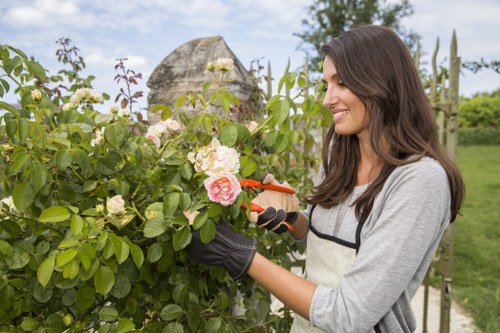
Mowing is not only about appearance. A regular and appropriate cut supports a lawn’s overall condition by encouraging even growth and reducing the chance of the grass becoming patchy in some areas and overgrown in others. The aim is not to force the lawn into an unnatural shape, but to keep it manageable and balanced through careful routine work. That matters whether the garden is mainly decorative, practical for children or pets, or simply part of a tidy external setting.
Different conditions can affect how the grass responds. Shaded sections, frequently walked-on areas and lawns that border beds or trees may all behave differently from one another. We take that into account when carrying out mowing work so the result does not ignore the garden’s variation. If you are also considering broader changes to the outside space, landscape gardening may be worth exploring for more substantial reworking, while mowing remains the regular care that keeps the grass presentable in the meantime.
What affects mowing frequency
How often a lawn needs attention depends on growth rate, use and the season. Some gardens need close monitoring in active growing periods, while others can be maintained at a slower rhythm without losing their shape. Rather than aiming for a fixed rule, it is better to match the service to the actual lawn. Steady upkeep is usually easier than trying to correct a neglected lawn later, especially where the grass forms a prominent part of the property’s appearance.
Combining mowing with broader outdoor work
Many customers prefer lawn mowing to sit within a wider package of garden care. When the grass is cut neatly, the rest of the garden is easier to assess: overgrown edges become visible, paths look clearer and boundary lines stand out more sharply. That is why mowing is often most effective when paired with related maintenance tasks that keep the setting coherent rather than leaving one area polished and the rest unfinished.
We can support that wider approach where it remains relevant to the site and the amount of work needed. For example, if your garden also needs shaping work, selective cutting or a broader tidy-up, it may be appropriate to look at other services alongside mowing. Landscaping is a broader option for gardens that need a more significant transformation, while regular mowing remains the practical maintenance layer that holds the finished space together.
As with any service request, it is helpful to keep the enquiry focused on what you want to achieve. A brief description of the current condition, the expected finish and any awkward access points is usually enough. You do not need to write a long explanation; just a clear outline of the grass area and the outcome you are aiming for.
About Hainault

Hainault is an area in east London best known for its position close to the boundary between Redbridge and the wider outer London landscape. The name is closely associated with Hainault Forest, a historic woodland area that once formed part of a much larger royal hunting forest extending across the region. Although the modern settlement is far more urban than the medieval landscape that preceded it, traces of that older pattern remain in the area’s green spaces, road layout and place names. The district developed significantly in the twentieth century, particularly as suburban housing expanded across east London and the transport network made the locality more accessible to commuters and residents seeking more open surroundings than inner London offered.
One of the best-known features near Hainault is Fairlop Waters, a large country park and leisure area that reflects the continued presence of open land and managed greenery in this part of the capital. Hainault Forest itself has been restored and reimagined over time, becoming an important public landscape with walking routes, wildlife interest and reminders of the area’s wooded past. The locality also sits within a wider pattern of post-war suburban growth, with residential roads, schools, local shops and green verges shaping everyday life. That mix of housing and parkland gives Hainault a character that is less dense than central London while still firmly connected to the city. Local architecture is varied, with estates, semi-detached homes and later infill development sitting alongside older streets and open communal spaces. The result is a neighbourhood whose identity is shaped by both its history as part of Hainault Forest and its later evolution into a practical outer-London community.
Practical mowing choices for different garden layouts

Not every lawn is built the same way, so the right approach depends on the shape and obstacles within the garden. Narrow strips beside fences, lawns broken up by beds or paths, and areas with slopes or uneven patches can all require a more deliberate method than a single open rectangle. A careful mowing service takes these differences seriously and aims for a finish that looks consistent from the main viewing points.
Where there are features such as shrubs, raised beds, ornaments or paving runs, trimming and edging often become just as important as the cut itself. In some gardens, a slightly lighter touch around sensitive points helps protect the planted areas while keeping the grass looking controlled. If the lawn forms part of a larger project, services overview can help you see the main types of work available before deciding how best to shape the enquiry. You can also ask about broader garden care if the grass is only one part of the job.
If you want to move forward, the next step is simple: send a short description of the lawn and ask for a quotation. A clear note about size, access and the condition of the grass is usually enough to begin.
Planning a straightforward quotation
Good quotations depend on clear information, but the request itself does not need to be complicated. The most helpful details are usually the size of the lawn, whether the grass is in regular use, whether there are gates or tight access points, and whether the work is for a one-off cut or ongoing mowing. That gives a much better basis for estimating the time and effort involved than a vague request does.
When the grass has not been maintained for some time, it is worth saying so plainly. That helps set expectations around the level of care needed, particularly if the lawn is likely to require a slower, more controlled first visit. If you are comparing related work, pricing and quotes may also be useful for understanding how enquiries are handled before you decide which service to request. Keep the message concise and accurate so the quote can be based on the actual job.
For many customers, the simplest approach is the best: describe the lawn, mention any extra details that matter and request a quotation. If the work is suitable, the process can move forward without unnecessary back-and-forth.
Garden finish, sustainability and the wider result
Mowing does more than shorten grass. It also sets the tone for the rest of the garden, making borders clearer and helping the outside space feel cared for. A clean finish can make a small area feel more ordered and can give larger gardens a sense of structure. That is why the work is most effective when it is completed with consistency and attention to the visible details that shape the whole picture.
Some customers also want to think about the disposal or reuse of garden cuttings and related material. Where relevant, it can be useful to look at how garden waste is handled alongside the work itself. Recycling and sustainability provides a sensible reference point if you want to understand the broader approach to waste and environmental considerations. The core mowing service remains focused on the grass, but the surrounding practicalities can still matter when planning the job.
Whatever the size of the lawn, a carefully cut result should feel usable rather than overworked. If you are ready to have the grass brought back under control, now is a good time to ask for a quotation and get the job moving.
Getting the grass under control again
Sometimes a lawn has simply fallen behind, and the main goal is to restore order without turning the job into a major project. In that situation, the emphasis is on a sensible cut, a tidy outline and a result that makes the rest of the garden easier to manage. That is often enough to transform how the outside space feels, especially where the lawn is the most visible feature from the house or entrance.
If the garden also includes worn edges, blocked access points or surrounding growth that affects the mowing line, those issues should be mentioned at the outset. The more clearly the condition is described, the easier it is to give an accurate quotation and plan the work sensibly. If you have everything ready, contact us to request a quotation and arrange the next step.
In short: for lawn mowing in Hainault, the most useful enquiry is the one that clearly describes the lawn, the finish you want and any limitations on access or timing. That gives you a more relevant response and helps the work start on the right footing.